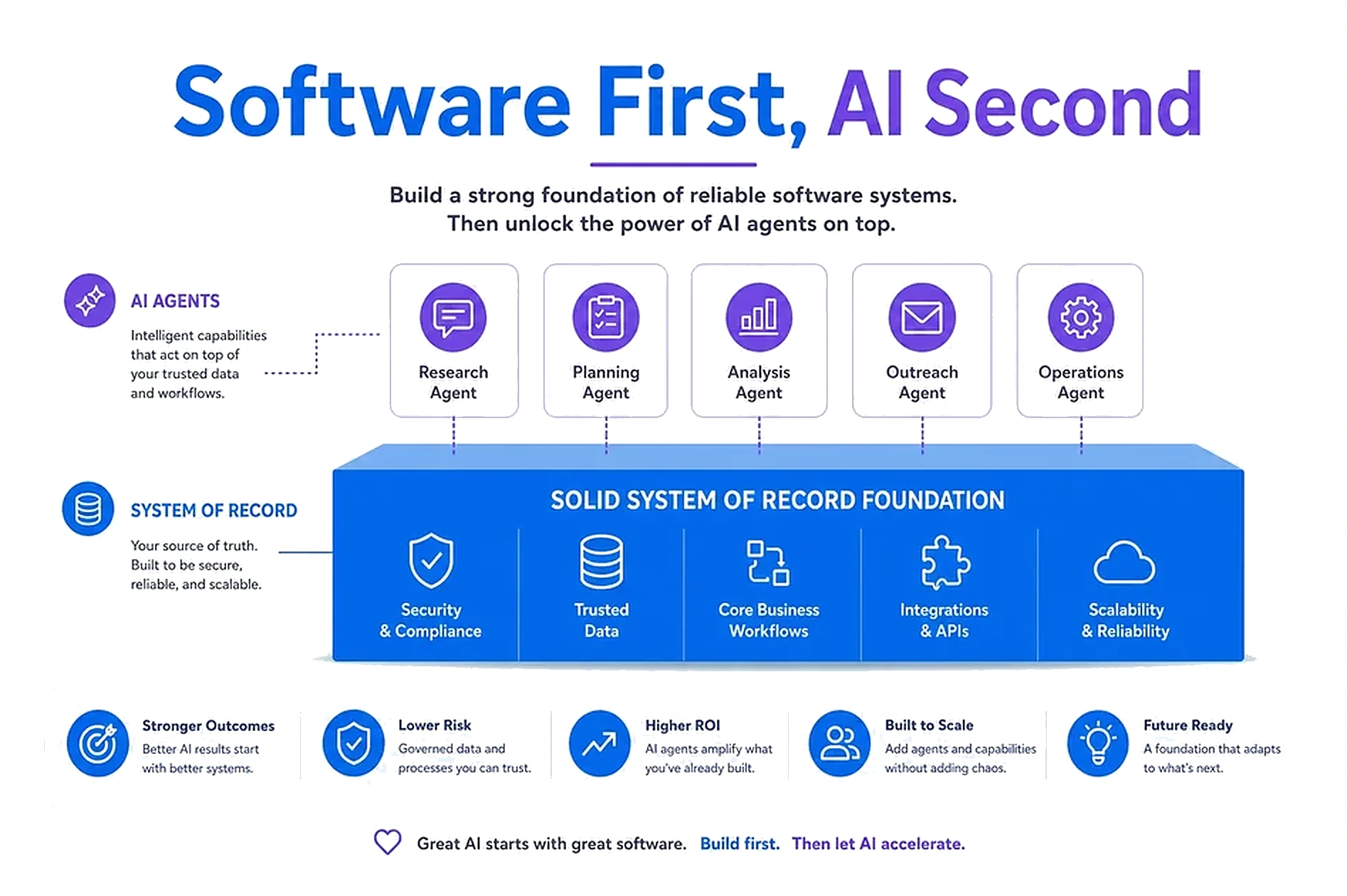
AI matters. So does knowing when it is the wrong first move.
If quotes still live in email, matching still lives in spreadsheets, and bookings still live in a diary, an agent will amplify the mess. You need a system of record first—then agents and automation where they earn their place.
That is how we approach custom software development: figure out where AI belongs, then add it only after the platform, CRM, or booking tool can hold the work. HeadStart's matching platform made structured data the foundation; Dr. Miller's voice agent worked because appointments already had a clear lifecycle. This guide separates software-first workflows from AI-first ones.
🧱 Why Software Comes First
Agents need clean inputs and clear actions.
Without software:
- Status lives in someone's head or inbox
- There is no hire, order, or match record to update
- Automations fire on wrong or duplicate data
With software:
- One record owns the workflow (order, hire, lead, match)
- Stages are explicit
- Humans and agents share the same truth
Ecardz did not fix quoting with a chatbot. They fixed it with an OMS—70% faster processing. The engineering firm did not "AI" their way out of dirty contacts first; they built matching and verification—95% faster inquiries.
Warning Sign: If your AI pilot needs a person to re-type the agent's output into a spreadsheet, you built a demo—not an operation.
🤖 When AI Should Lead
Some problems are conversation-shaped from day one.
Strong AI-first candidates:
- Missed-call and after-hours lead capture (voice agents)
- Appointment reminders and no-show reduction when the calendar already exists
- Chat qualification on a site that already books or captures leads cleanly
Dr. Miller example: An AI voice agent platform cut no-shows by 62% and lifted revenue 22%—because appointment management was the workflow, and voice was the right interface.
Still software-backed: Even voice projects need scripts, integrations, and a place to write outcomes. The calendar or CRM remains the record.
Published starting points on our pricing page: voice AI agents from $1999, chatbots from $699—different from a $4999+ custom automation platform.
🗺️ A Simple Decision Map
Start with custom software when:
- Multiple people must share live status (fleet, orders, matches, pipeline)
- Off-the-shelf tools force you to bend the process
- Spreadsheets and email run the business
- You need portals, OMS, booking, or CRM matching
Start with AI agents when:
- The record already exists in a trustworthy system
- The bottleneck is conversation volume (calls, reminders, FAQs)
- Speed-to-lead on phone or chat is the main leak
Do both in sequence when: You need a platform first (for example HeadStart matching in 2–5 minutes instead of 2–3 days), then later add agents on top of clean records.
We help you unravel where AI and automation belong—then build them into the system or on their own. Details on custom software development.
⚠️ The Cost of AI-on-Chaos
Rushing to agents creates three expensive patterns.
1. Hallucinated ops The agent invents a status because no system holds one.
2. Shadow processes Staff keep the real sheet "just in case," and the agent logs fiction.
3. Integration theatre Zapier chains copy fields between tools that still disagree.
The fix: Scope the first live system. Ship it in about 3 weeks when focus is tight. Add automation where it removes repetitive steps on top of that record—payment reminders, review requests, matching assists, voice on a real calendar.
The Result? AI spend lands on leverage, not on coping mechanisms.
🚀 How We Sequence a Project
- Name the bottleneck — quotes, booking, matching, leads, calls
- Choose the system of record — custom platform/CRM/booking tool vs existing calendar/CRM
- Ship software if the record is missing or unfit
- Add agents only where conversation or repetitive messaging is the constraint
- Measure minutes saved, response time, or conversion—not demo wow
Case studies spanning both sides: van rental platform (software-first hire record), HeadStart (platform then intelligent matching), Dr. Miller (voice on appointment workflows).
If you only remember one line: software first, AI second—unless the bottleneck is already a conversation sitting on a clean record.
💡 See These Strategies in Action
Real businesses, real results. Explore how companies implemented these concepts:
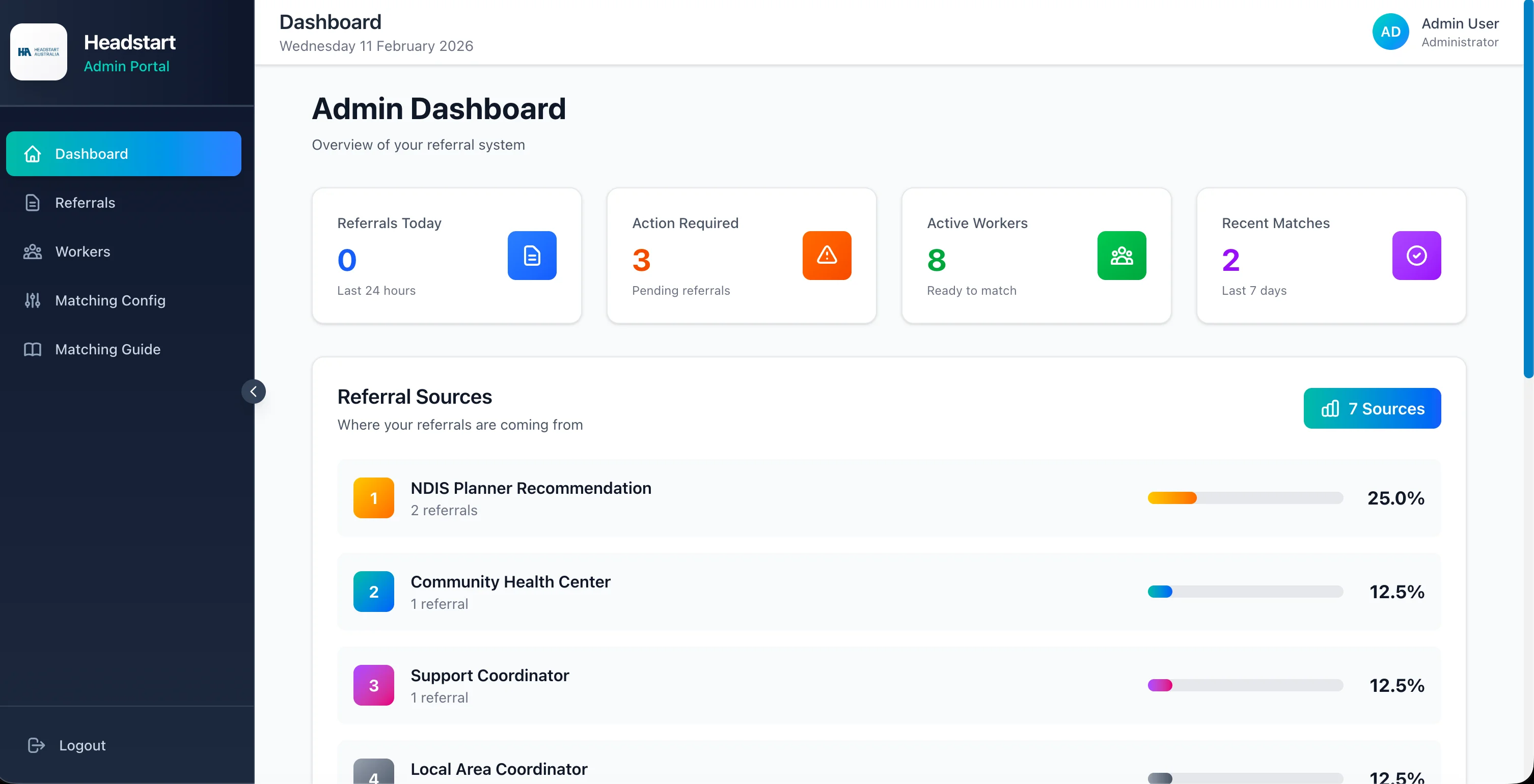
HeadStart Care Matching
NDIS participant-worker matching platform
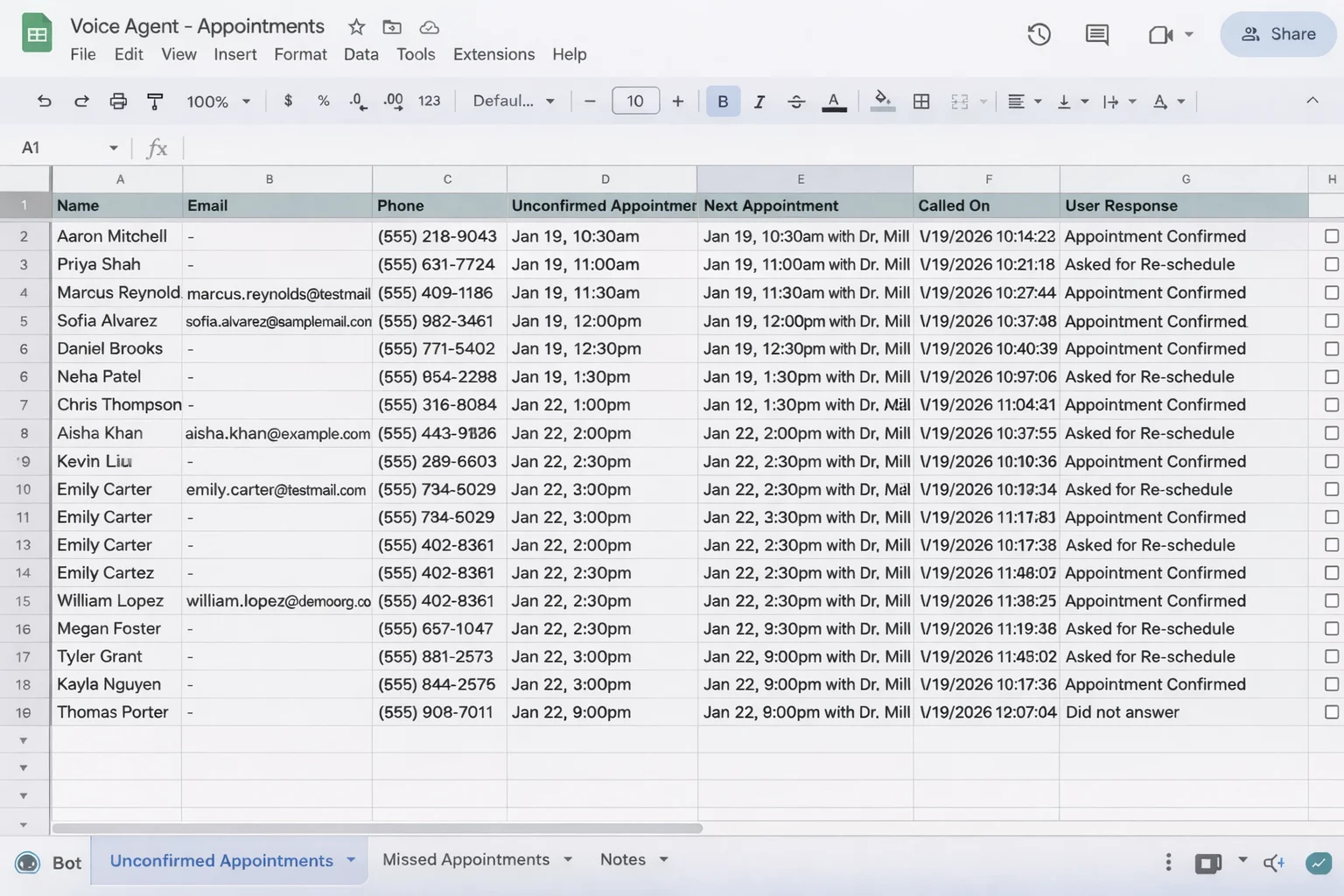
Dr. Miller Voice AI
Healthcare appointment automation
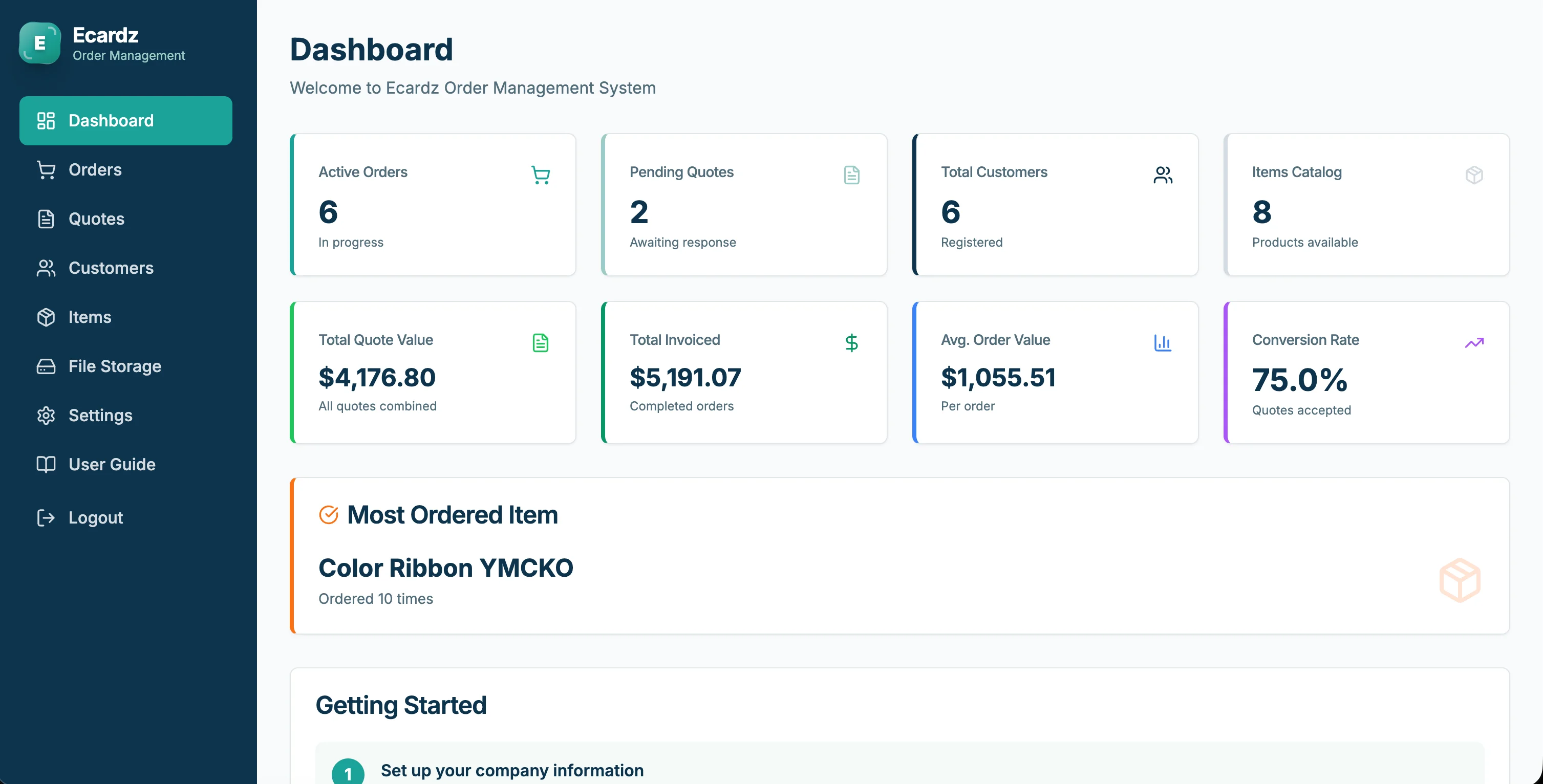
Ecardz Order Management
Quote-to-cash automation for print manufacturing

Van Rental Platform
Online booking, Stripe payments, fleet CRM & inspections
Key Takeaways
Quick wins and actionable insights from this guide:
- AI agents need a system of record; without one they automate chaos
- Custom OMS, CRM, booking, and matching platforms come before agents for shared live status
- Voice and chat can lead when calendars or CRMs already hold the workflow—as with Dr. Miller's 62% no-show reduction
- Ecardz and the engineering CRM show software-first outcomes: 70% faster orders and 95% faster inquiries
- Sequence: bottleneck → record → software if needed → agents where conversation volume hurts
- Most focused custom builds go live in about 3 weeks before you layer AI on top
Karandeep Singh
Co-Founder
Karandeep leads strategy and customer success at AI 101 Services. After fifteen years at Deloitte and Accenture, he helps growing businesses decide what to build—and ship custom platforms, CRMs, and automation that fit how teams actually work.
More about Karandeep