The market is loud. Every agency suddenly "does AI." Some will transform your operations. Others will leave you with a fancy chatbot nobody uses and a bill you regret.
Choosing an automation partner isn't about who has the slickest demo. It's about who can map your real workflow, integrate with your systems, train your team, and stick around when edge cases appear in week six.
We've built automation for manufacturers, NDIS providers, clinics, and service brands—projects like Ecardz (70% faster processing), HeadStart (2-5 minute matching), and Dr. Miller (62% no-show reduction). The pattern behind successful projects is consistent. This guide turns that pattern into a buyer's checklist.
🎯 Start With the Problem, Not the Tool
Bad engagements begin with "We want ChatGPT / a voice agent / AI." Good engagements begin with "We're losing 20 leads a week after 5 PM."
Before You Talk to Vendors, Write Down:
- •The bottleneck in one sentence
- •Current volume (calls, invoices, jobs, participants)
- •What success looks like in 90 days (metric + number)
- •Systems that must connect (CRM, PMS, Xero, job management)
- •Who will own the automation internally after launch
Why This Matters: Vendors can't scope accurately without constraints. Vague briefs produce vague builds—and change-order surprises.
Warning Sign: If a salesperson pitches a product before asking about your workflow, they're selling inventory—not solving your bottleneck.
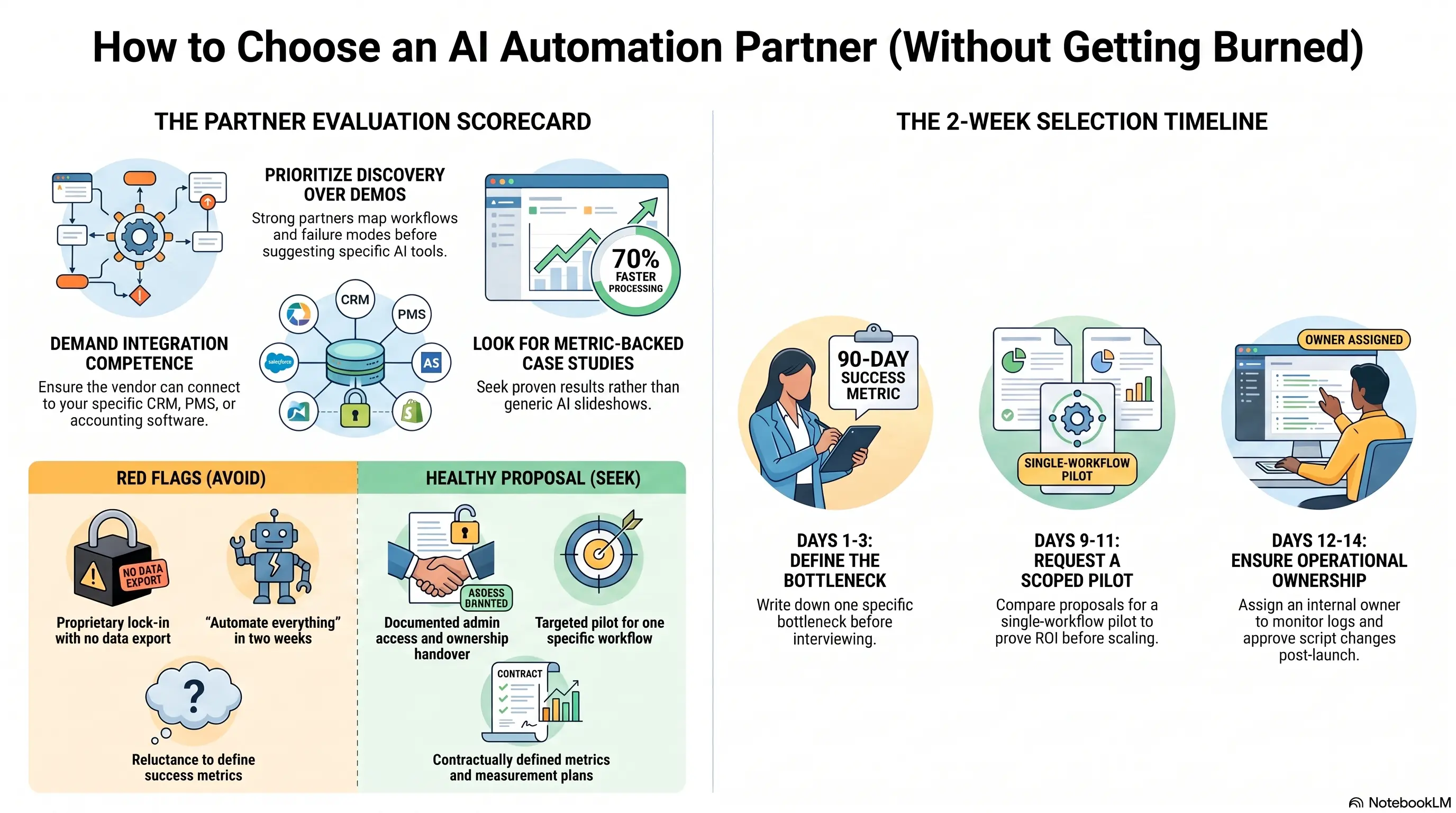
✅ The Partner Evaluation Checklist
Use the same scorecard for every vendor.
1. Relevant Case Studies Ask for outcomes in businesses like yours—not generic AI slideshows. Prefer metrics: time saved, conversion lift, error reduction.
2. Integration Competence Can they connect your actual stack? Demo theory is cheap; API reality is not.
3. Discovery Process Strong partners map workflows, edge cases, and failure modes before proposing tools.
4. Build vs Buy Honesty Sometimes you need Zapier. Sometimes custom. Partners who only sell one answer are biased.
5. Training & Handover Who trains your team? What docs do you get? What happens when a staff member leaves?
6. Support Model Response times, monthly retainers, and what "maintenance" includes when an API breaks.
7. Commercial Clarity Fixed scope vs T&M, what's excluded, and how change requests are priced.
Score each 1-5. Anyone scoring below 3 on discovery or integrations is high risk—even if their demo looks great.
🚩 Red Flags That Predict Failure
Run if you hear:
- •"We can automate everything in two weeks" with no discovery
- •Guaranteed viral ROI with no baseline measurement plan
- •No access to the people who will actually build
- •Proprietary lock-in with zero data export path
- •Reluctance to define success metrics in the contract
- •One-size chatbot pitched for every industry problem
Soft Red Flags:
- •Can't explain failure modes (what happens when the AI is wrong?)
- •No human escalation design for voice/chat
- •Case studies without numbers
- •Pressure to sign before speaking to a technical lead
Duncan Rogers Parallel: Data quality work succeeded because the problem was specific (200K+ records, verification, matching)—not "add AI somewhere." Specificity protects buyers.
🧾 What a Healthy Proposal Looks Like
A solid proposal includes:
- •Current-state workflow summary (proves they listened)
- •Target-state workflow with clear human-in-the-loop points
- •Systems in scope / out of scope
- •Timeline with milestones (discovery → pilot → launch)
- •Success metrics and how they'll be measured
- •Training plan and admin ownership
- •Support terms for 30-90 days post-launch
- •Assumptions and dependencies (your team availability, API access)
Pilot Before Platform: Prefer a paid pilot on one workflow over a massive transformation SOW. Prove ROI on a narrow bottleneck first—like after-hours capture or invoice reminders—then expand.
The Result? Pilots reduce risk for both sides and create internal champions with real wins to show skeptics.
👥 Ownership: The Part Buyers Forget
Automation fails when nobody owns it after the agency leaves.
Assign Before Kickoff:
- •Internal product owner (even part-time)
- •Who approves script/tone changes
- •Who monitors error logs weekly
- •Who updates FAQs and price books
Knowledge Transfer Requirements:
- •Admin access in your accounts (not only theirs)
- •Documentation of every workflow
- •Recording of training sessions
- •Clear list of what you can change without a developer
HeadStart / Operations Parallel: Workforce matching stays valuable because operations can run it daily. Tools without operational ownership become shelfware.
Warning Sign: If the partner wants to keep exclusive admin access forever, you're renting a black box—not building a capability.
🚀 Your 2-Week Vendor Selection Process
Days 1-3: Internal Brief
- •Write bottleneck, metrics, systems, budget range
- •Get stakeholder alignment on success definition
Days 4-8: Shortlist & Interviews
- •Talk to 2-3 partners max
- •Use the checklist scorecard
- •Ask for one similar case study deep-dive
Days 9-11: Scoped Pilot Proposal
- •Request pilot SOW for a single workflow
- •Compare apples-to-apples on deliverables and support
Days 12-14: Decision
- •Choose partner with strongest discovery + integration fit
- •Sign pilot with clear success criteria and expand option
The Result? A structured selection process takes two weeks—and prevents six-month regret. The best partner is the one who makes your bottleneck measurable, then removes it.
💡 See These Strategies in Action
Real businesses, real results. Explore how companies implemented these concepts:
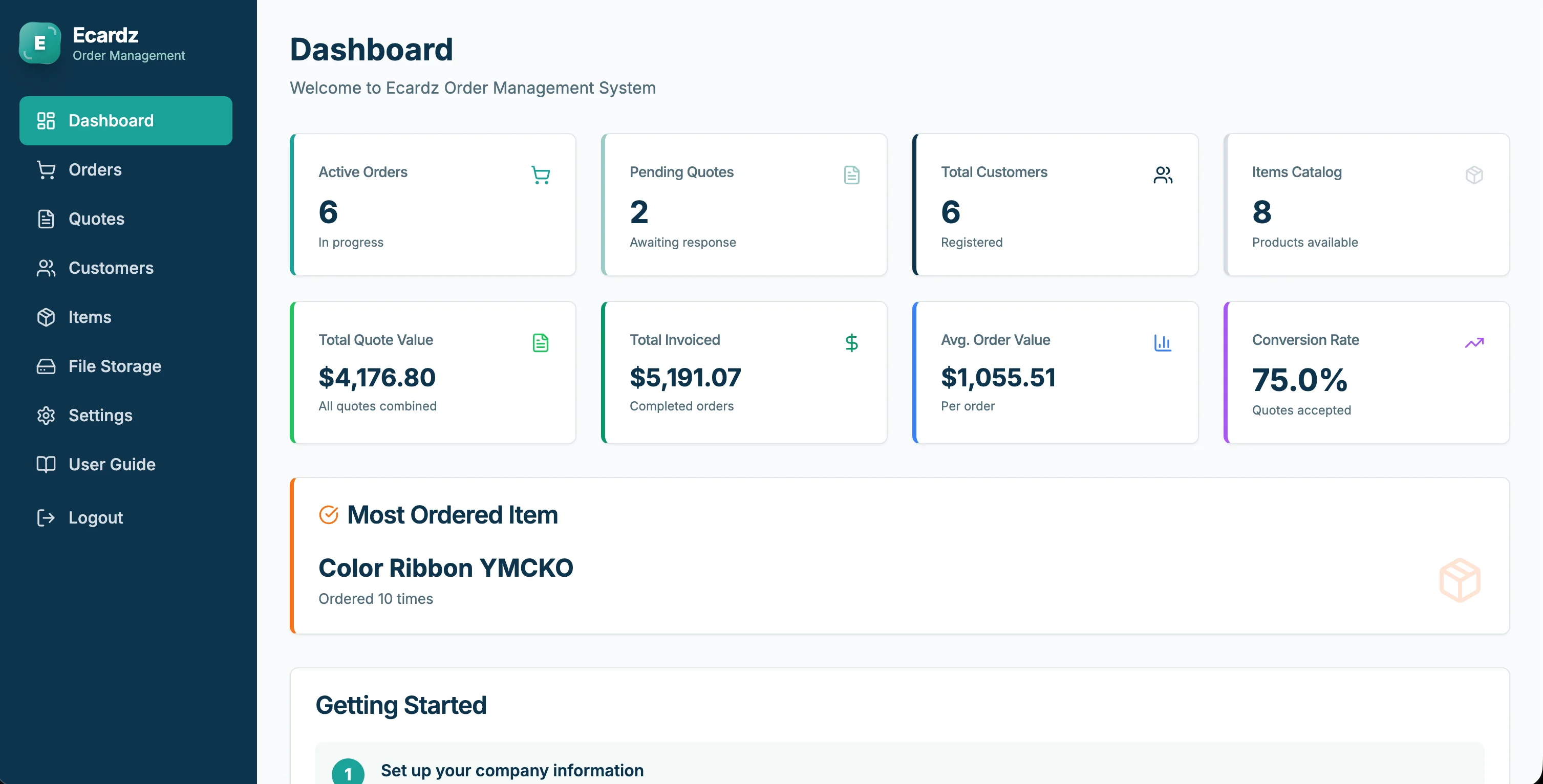
Ecardz Order Management
Quote-to-cash automation for print manufacturing
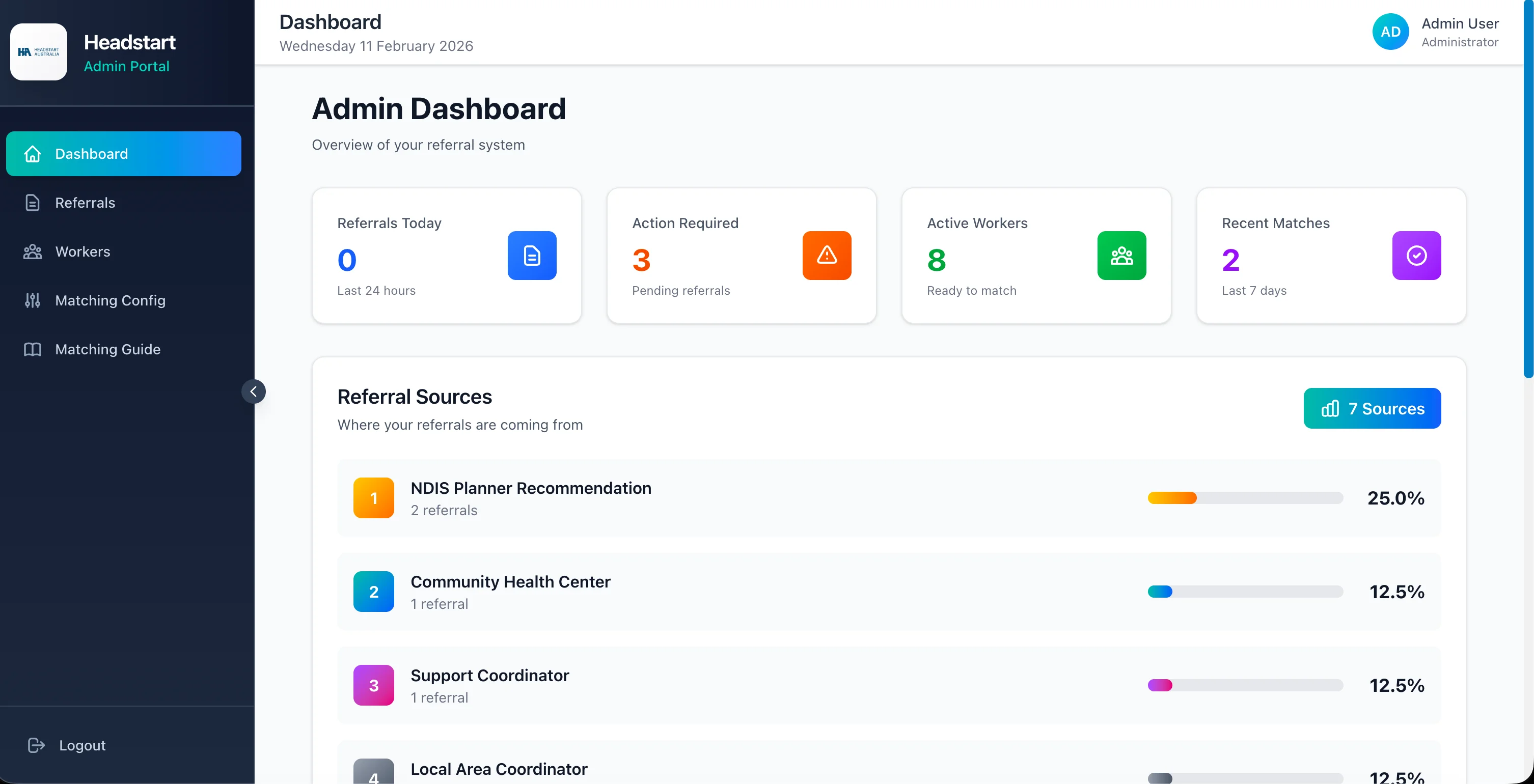
HeadStart Care Matching
NDIS participant-worker matching platform
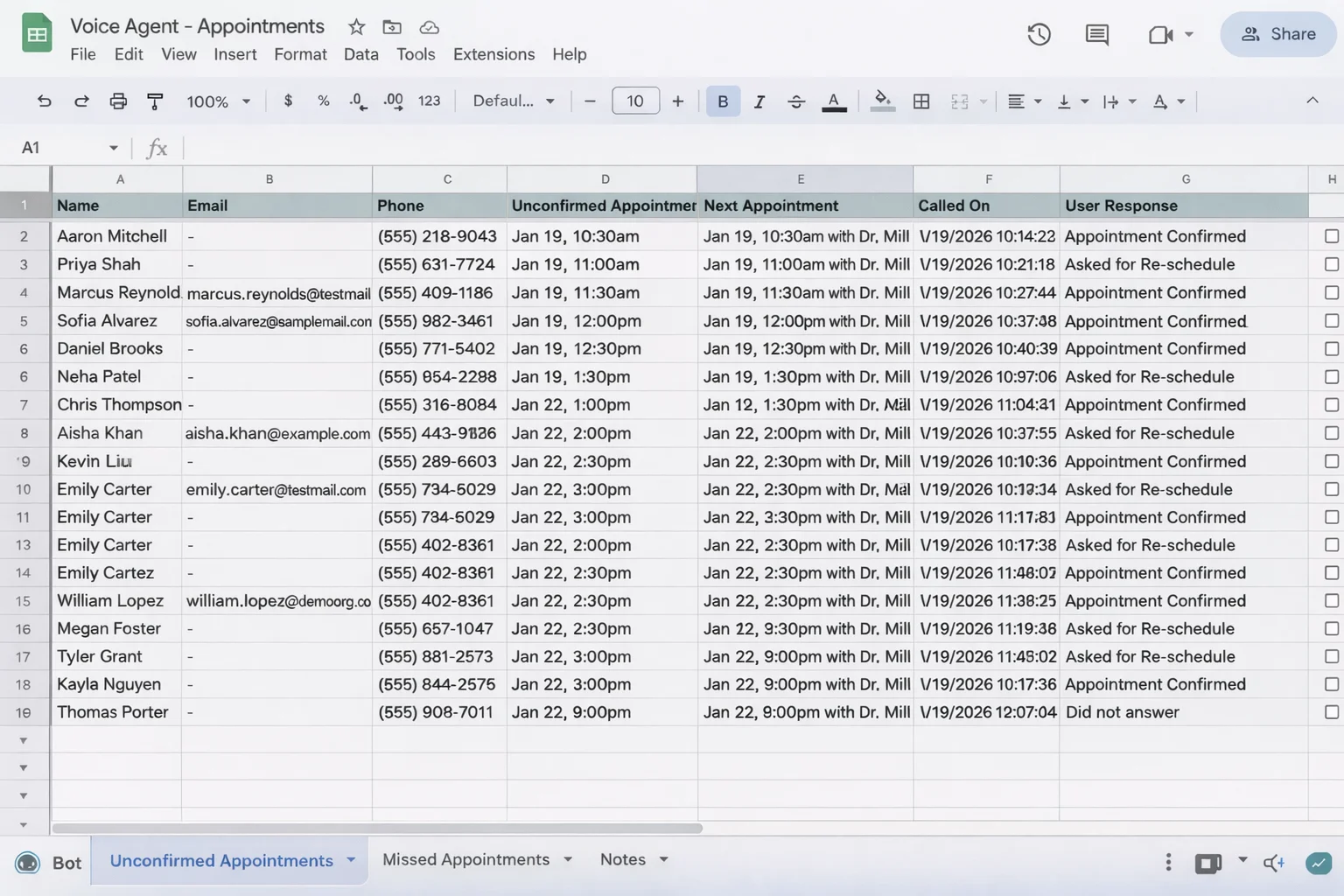
Dr. Miller Voice AI
Healthcare appointment automation
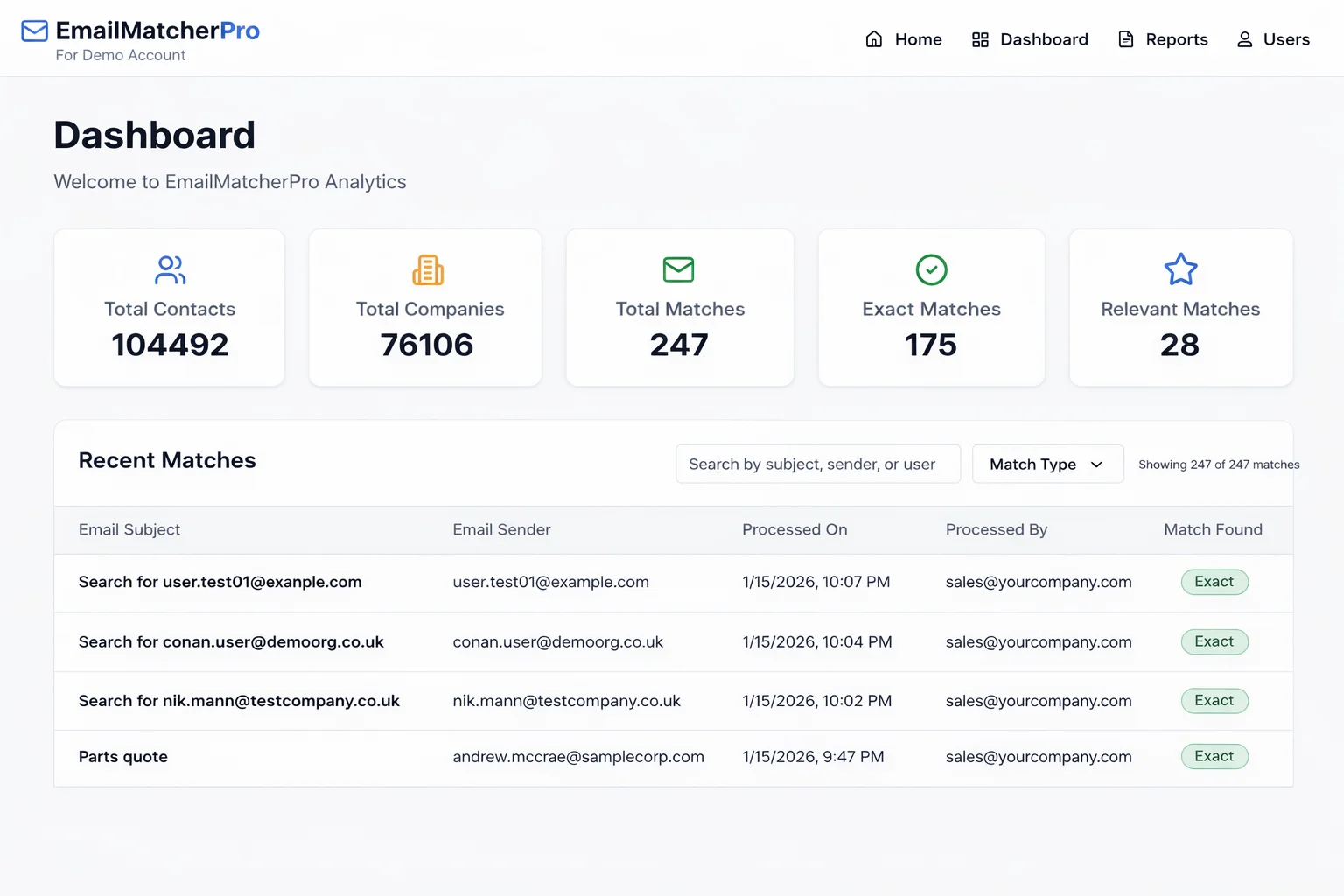
Duncan Rogers CRM
Contact verification across 200K+ records
Key Takeaways
Quick wins and actionable insights from this guide:
- Define the bottleneck and 90-day success metric before talking to any AI vendor
- Score partners on case studies, integrations, discovery, handover, and support—not demo polish
- Red flags include no discovery, vague ROI guarantees, and proprietary lock-in without data export
- Prefer a paid pilot on one workflow over a large transformation project
- Assign internal ownership and demand admin access plus documentation before kickoff
- A two-week structured selection process dramatically reduces the risk of shelfware
AI 101 Services Team
Business Automation Specialists
AI 101 Services helps service businesses implement AI automation solutions that deliver measurable ROI. With 21+ solutions delivered and 15+ clients served, we specialize in turning manual chaos into streamlined digital workflows.