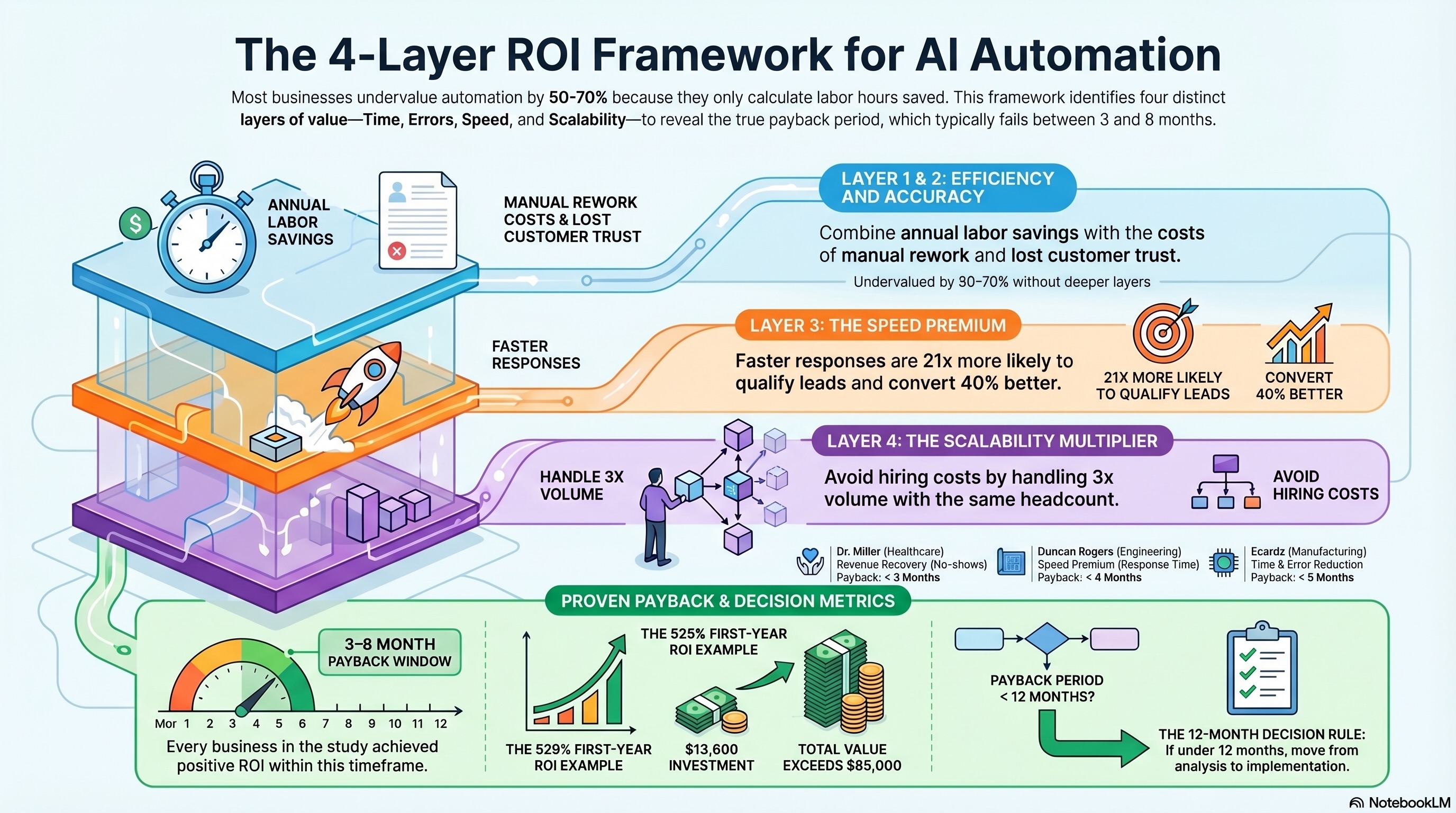
"What's the ROI?" It's the first question every business owner asks about automation—and it should be.
But most ROI discussions are vague: "you'll save time" or "it'll pay for itself." That's not good enough when you're investing $5,000-15,000 of your business's money.
This guide gives you a concrete framework to calculate automation ROI for your specific situation, backed by real numbers from 7 businesses we've worked with. You'll walk away knowing exactly how to estimate your payback period, identify hidden value most businesses miss, and build a business case that's based on math rather than hope.
Spoiler: every business in our portfolio achieved positive ROI within 3-8 months. Here's how to calculate yours.
📐 The Basic ROI Formula (And Why It's Not Enough)
The textbook formula is simple:
ROI = (Value Gained - Cost of Automation) / Cost of Automation × 100
For example:
- Automation cost: $10,000
- Annual time savings: $25,000
- ROI: ($25,000 - $10,000) / $10,000 × 100 = 150% first-year ROI
But this formula misses critical value:
- Error reduction — What do mistakes cost you today?
- Speed improvement — What's faster response time worth in won deals?
- Scalability — Can you handle 3x volume without hiring?
- Employee satisfaction — What does reduced turnover save?
- Customer experience — What's better service worth in retention?
The engineering firm's ROI wasn't just time saved—it was deals won because they responded in under 1 minute instead of hours. Ecardz's ROI wasn't just faster quotes—it was zero calculation errors that previously cost customer trust.
Warning Sign: If your ROI calculation only includes time savings, you're undervaluing automation by 50-70%.
⏱️ Layer 1: Time Savings (The Easy Calculation)
Start here because it's the most straightforward to quantify.
The Formula: Weekly hours on task × Hourly cost × 52 weeks = Annual cost of manual process
Real Numbers from Our Portfolio:
Ecardz — Quote creation: 25 hrs/week → 5 hrs/week. Annual cost before: $39,000. After: $7,800.
Dr. Miller — Confirmation calls: 10 hrs/week → 0 hrs/week. Annual cost before: $20,800. After: $0.
HeadStart — Worker matching: 15 hrs/week → 2 hrs/week. Annual cost before: $27,300. After: $3,640.
Social media platform — Social media mgmt: 20 hrs/week → 3 hrs/week. Annual cost before: $41,600. After: $6,240.
Engineering firm — Data verification: 8 hrs/week → 1 hr/week. Annual cost before: $18,720. After: $2,340.
Calculation Steps:
- List every manual task you want to automate
- Estimate weekly hours (ask the person who does it—they know)
- Multiply by fully-loaded hourly cost (salary + benefits + overhead, typically 1.3-1.5x base rate)
- That's your maximum annual savings from time alone
Warning Sign: Teams almost always underestimate time spent. Track for one full week before calculating.
❌ Layer 2: Error Costs (The Hidden Drain)
Errors are expensive, but most businesses never quantify them because they're normalized.
Common automation-preventable errors:
Calculation Errors: Ecardz was revising 10-15% of quotes due to manual calculation mistakes. Each revision:
- Wasted 15 min of staff time to redo
- Delayed the customer response
- Occasionally led to undercharging (margin loss) or overcharging (lost deal)
At 100 quotes/month, 12 revisions × $30 labor + estimated $50 margin impact = $960/month or $11,520/year
Scheduling Conflicts: HeadStart had 2-3 double-bookings monthly before automation. Each one:
- Required emergency rescheduling (1-2 hours)
- Damaged participant trust
- Created ripple effects across the team's schedule
Estimated cost: $300-500 per incident = $10,800-18,000/year
Data Errors: The engineering firm's manual verification meant some customer communications went to wrong contacts. Each misdirected email or call:
- Wasted sales opportunity
- Risked sending confidential info to wrong party
- Required follow-up correction
How to Calculate Your Error Costs:
- Ask your team: "How often does [task] go wrong?"
- Estimate time to fix each error
- Estimate business impact (lost deal, refund, rework)
- Multiply by frequency
The total is almost always higher than expected.
⚡ Layer 3: Speed Premium (The Revenue Accelerator)
This is the most undervalued layer of automation ROI.
The Speed-Revenue Connection:
- Businesses that respond to leads within 5 minutes are 21x more likely to qualify them
- Quotes delivered same-day convert 40% better than next-day quotes
- Faster service = higher customer satisfaction = more referrals
Real Speed Premiums from Our Portfolio:
Engineering firm: Response time went from hours to under 1 minute (95% improvement). In engineering services where multiple firms compete for the same contract, being first to respond with accurate information often wins the deal.
Ecardz: Quote turnaround went from next day to same hour. Customers who requested quotes from multiple suppliers chose Ecardz more often because the quote arrived while they were still in buying mode.
Dr. Miller: No-show follow-up happens immediately after a missed appointment instead of when staff gets around to it. This recovered 25% of missed appointments that would have been permanently lost.
How to Estimate Your Speed Premium:
- How many leads or opportunities do you currently lose to slow response? (Ask your sales team)
- What's the average deal value?
- If you responded 80% faster, what percentage could you recover? (Conservative estimate: 10-20%)
- Recovered leads × deal value × conversion rate = speed premium value
The Result? For most service businesses, the speed premium alone justifies the automation investment.
📈 Layer 4: Scalability Value (The Growth Multiplier)
This layer doesn't show up in Year 1—it shows up when you grow.
Without automation, growth is linear:
- 2x customers = 2x staff needed
- 3x orders = 3x processing time
- Every growth milestone requires hiring, training, and managing more people
With automation, growth is exponential:
- 2x customers = same staff, same system
- 3x orders = system handles it automatically
- Growth milestones require zero additional headcount for automated tasks
Ecardz's Scalability Story: They scaled from 50 orders/month to 300+ orders/month with the same team. Without automation, that growth would have required:
- 3-4 additional staff for order processing: $150,000-200,000/year
- Additional management overhead: $30,000-50,000/year
- Office space, equipment, training: $20,000-30,000/year
Total avoided hiring cost: $200,000-280,000/year
Compare that to the $8,000-12,000 automation investment. The scalability multiplier is 20-30x.
How to Calculate Your Scalability Value:
- What's your 12-month growth target?
- How many additional people would you need to hire to handle that growth manually?
- Fully-loaded cost of those hires × number of years = scalability value
- Subtract automation cost
Warning Sign: If your growth plan includes "hire more people to do existing manual work," you're planning to scale the most expensive way possible.
🧮 Putting It All Together: The Complete ROI Calculation
Let's build a complete ROI picture using a hypothetical service business.
Scenario: Service business spending $12,000/year on manual quoting, experiencing 10% error rate, losing 5 leads/month to slow response.
Layer 1 - Time Savings: $12,000/year (manual labor eliminated)
Layer 2 - Error Reduction: $5,000/year (rework, margin loss, customer trust)
Layer 3 - Speed Premium: $18,000/year (5 recovered leads/month × $300 avg value × 12 months)
Layer 4 - Scalability: $50,000/year (avoided hiring for 2x growth target)
Total Annual Value: $85,000
Automation Investment: $10,000 setup + $3,600/year ongoing ($300/month) = $13,600 first year
First-Year ROI: ($85,000 - $13,600) / $13,600 × 100 = 525%
Payback Period: $13,600 / ($85,000 / 12) = 1.9 months
Our Portfolio Payback Periods:
- Dr. Miller: Under 3 months (revenue recovery from no-show reduction)
- Ecardz: Under 5 months (time savings + error elimination)
- HeadStart: Under 7 months (time savings + conflict prevention)
- Engineering firm: Under 4 months (speed premium + time savings)
The Pattern: When you calculate all four layers honestly, payback periods are consistently under 8 months for service businesses. Most achieve it in 3-5 months.
🚀 Building Your Business Case: The One-Page Template
Use this template to make the automation decision concrete.
Section 1: Current State
- Process being automated: [description]
- Weekly hours consumed: [X hours]
- Error rate: [X%]
- Revenue lost to speed/capacity issues: [$X/month]
Section 2: Proposed Automation
- Solution type: [custom build / off-the-shelf]
- Setup investment: [$X]
- Monthly ongoing cost: [$X]
- Implementation timeline: [X weeks]
Section 3: Expected Returns
- Time savings: [$X/year]
- Error reduction: [$X/year]
- Speed premium: [$X/year]
- Scalability value: [$X/year]
- Total annual value: [$X]
Section 4: Decision Metrics
- First-year ROI: [X%]
- Payback period: [X months]
- Break-even point: [date]
The Decision Rule: If payback period is under 12 months and the process is genuinely painful for your team, the answer is almost always yes.
Every business in our portfolio met this threshold comfortably—and every one wished they'd started sooner.
Warning Sign: Analysis paralysis is the most common reason businesses delay automation. If your rough calculation shows a payback period under 6 months, stop calculating and start building.
💡 See These Strategies in Action
Real businesses, real results. Explore how companies implemented these concepts:
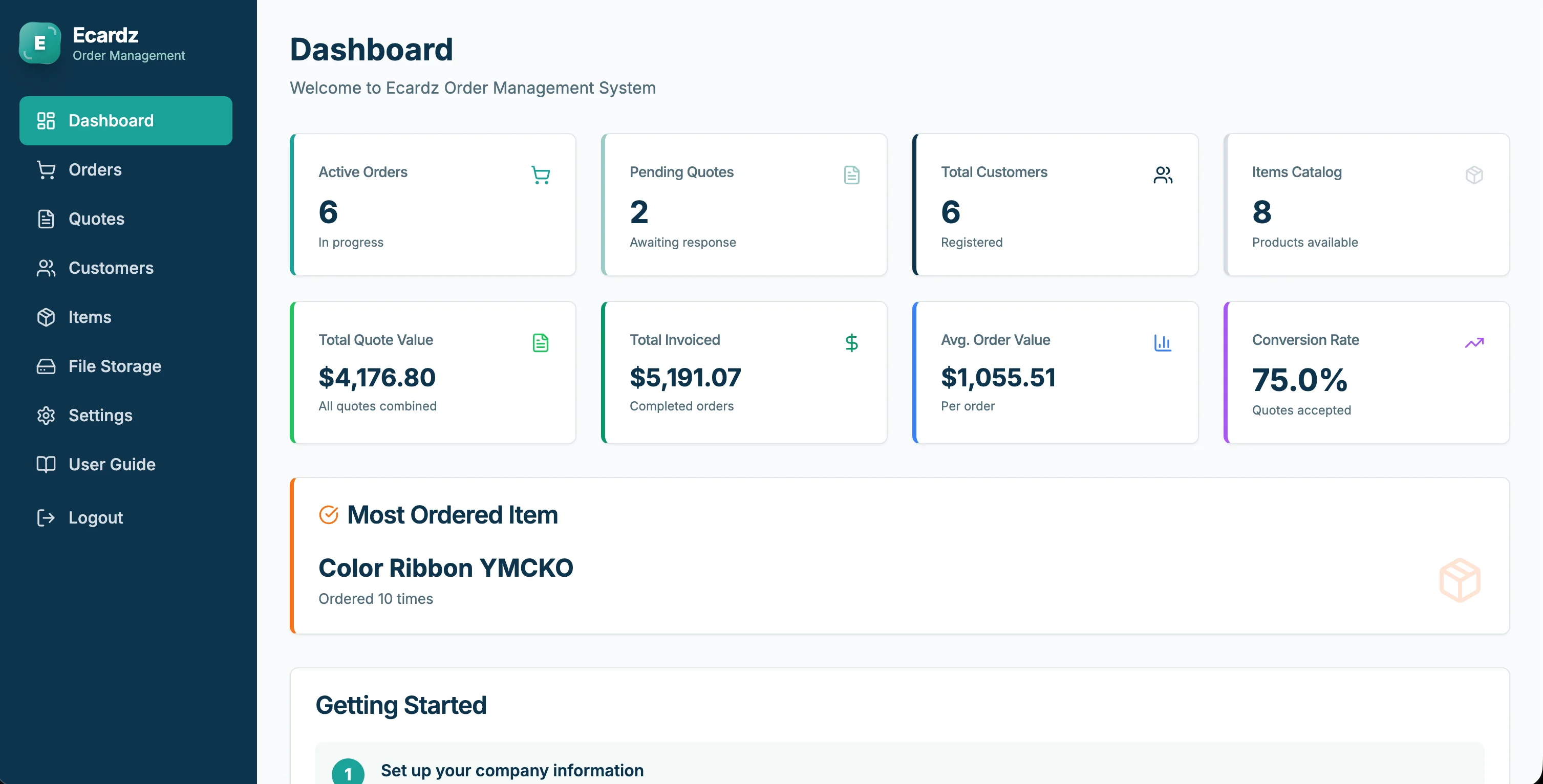
Ecardz Order Management
Quote-to-cash automation for print manufacturing
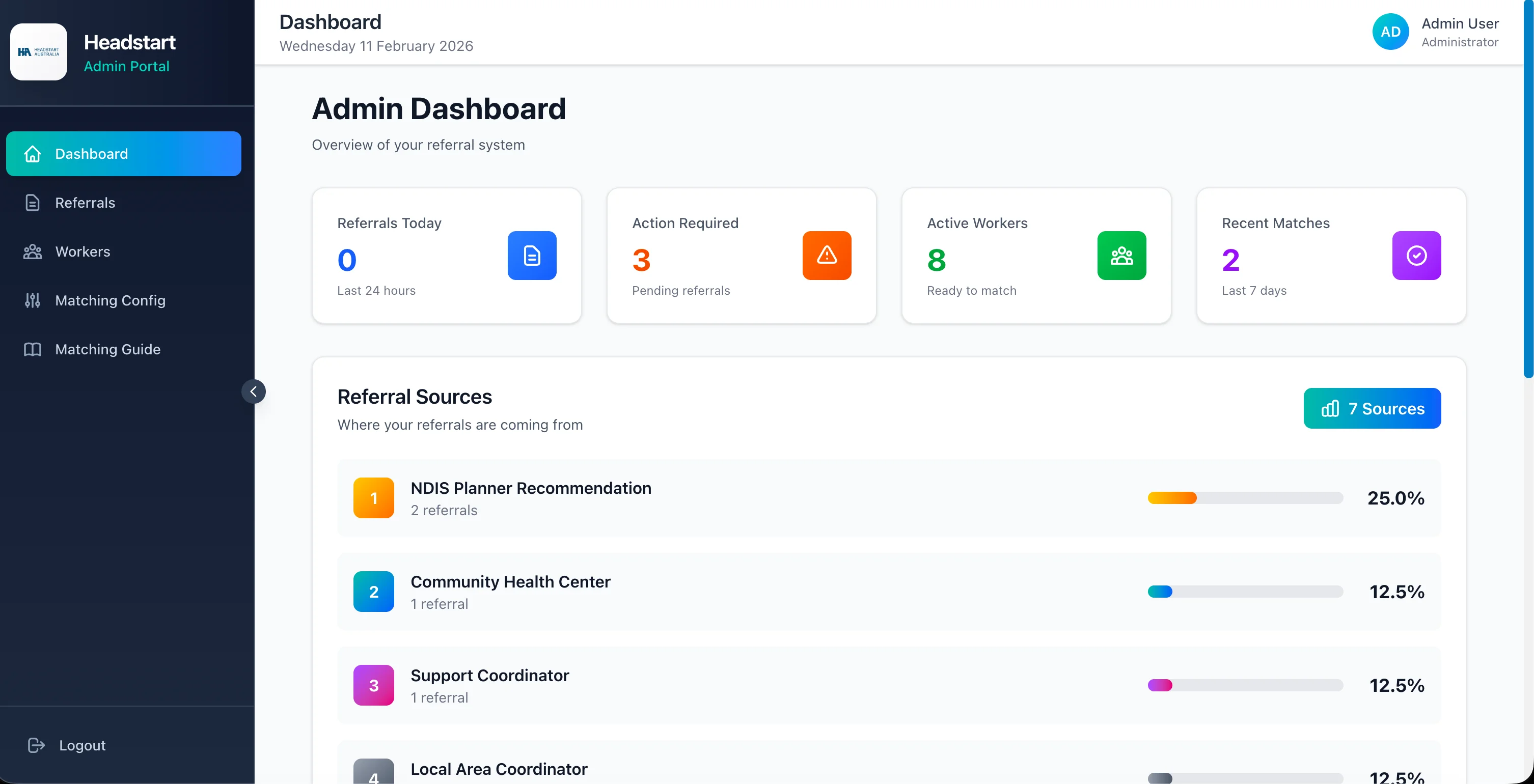
HeadStart Care Matching
NDIS participant-worker matching platform
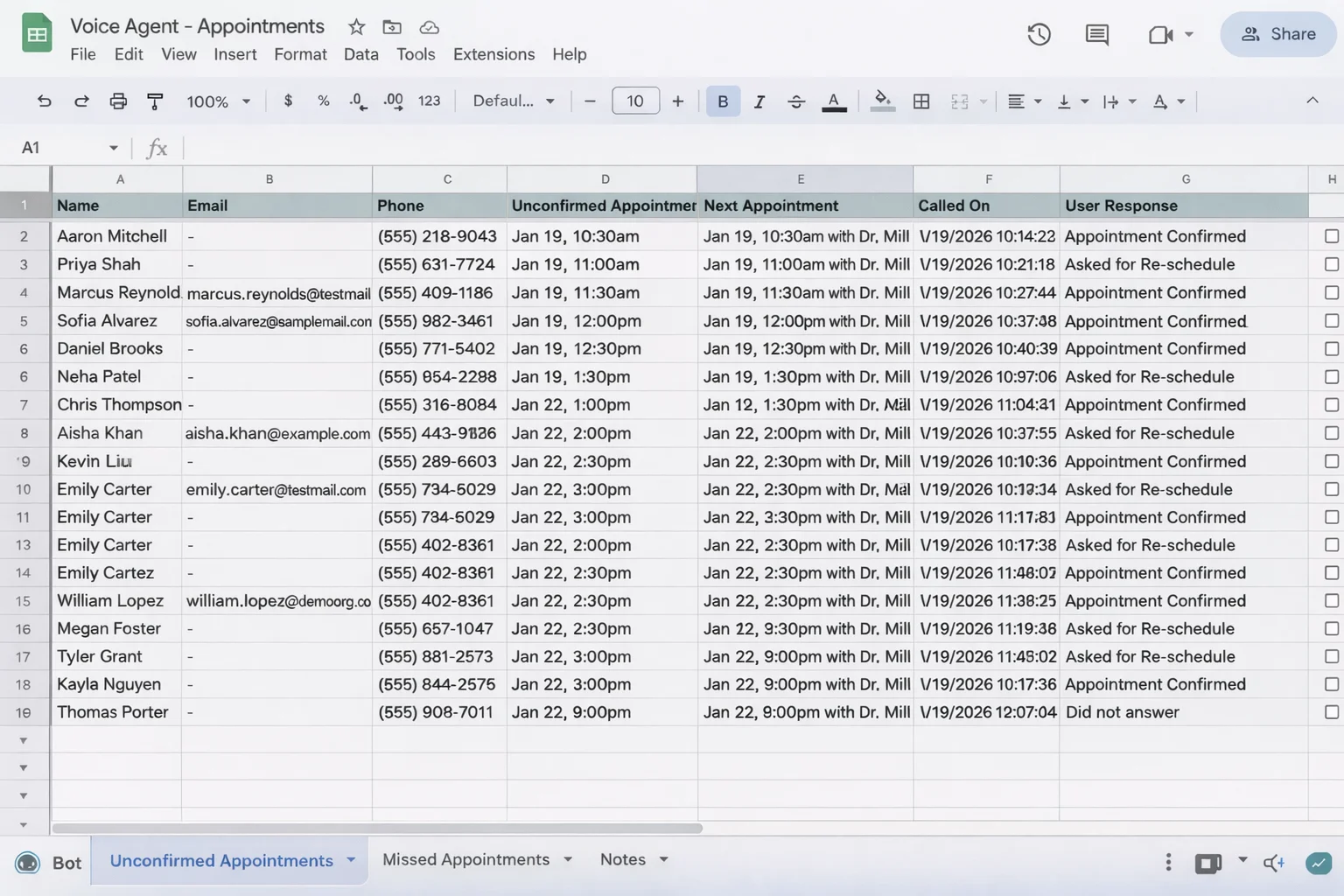
Dr. Miller Voice AI
Healthcare appointment automation
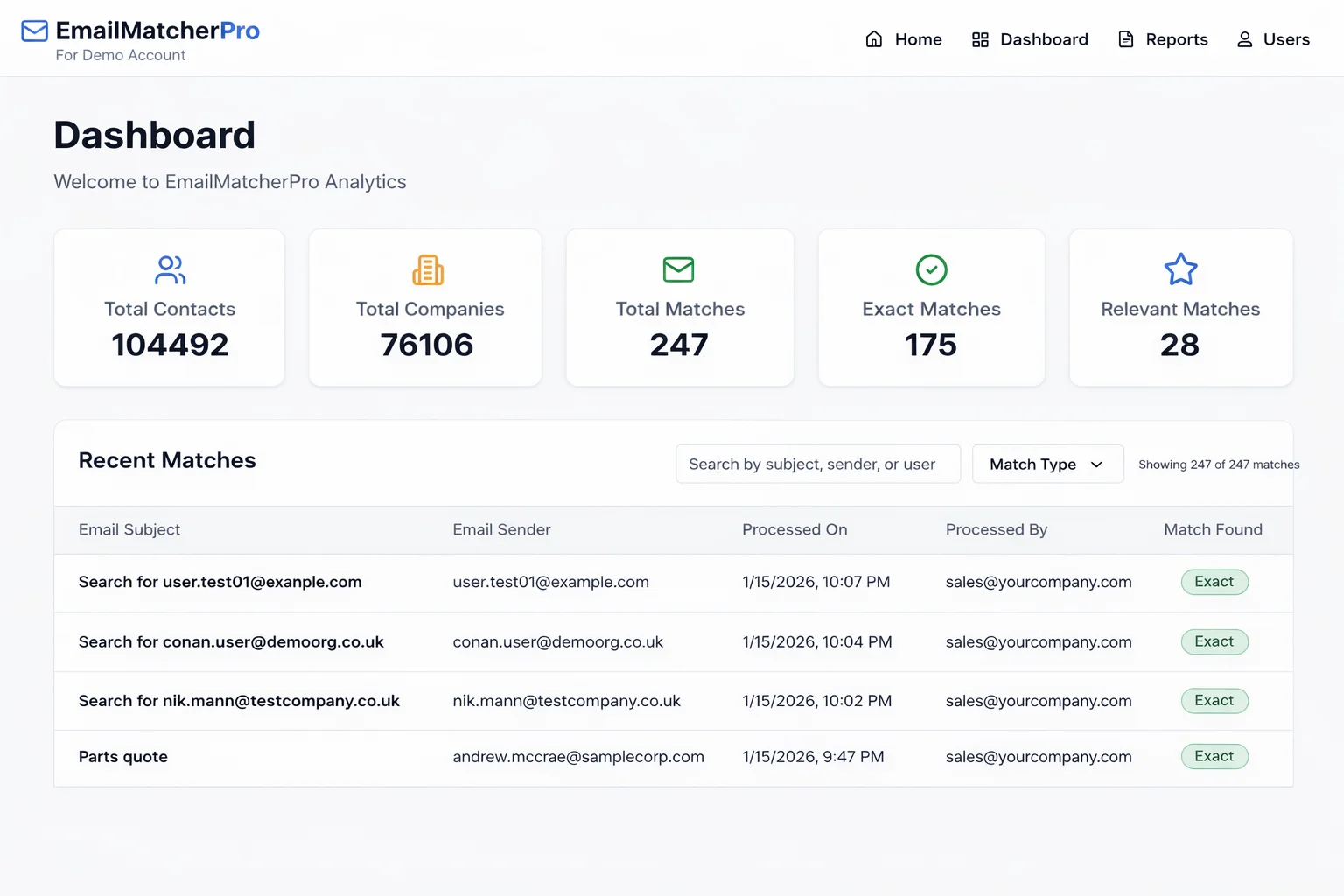
Engineering Firm CRM
Contact verification across 200K+ records
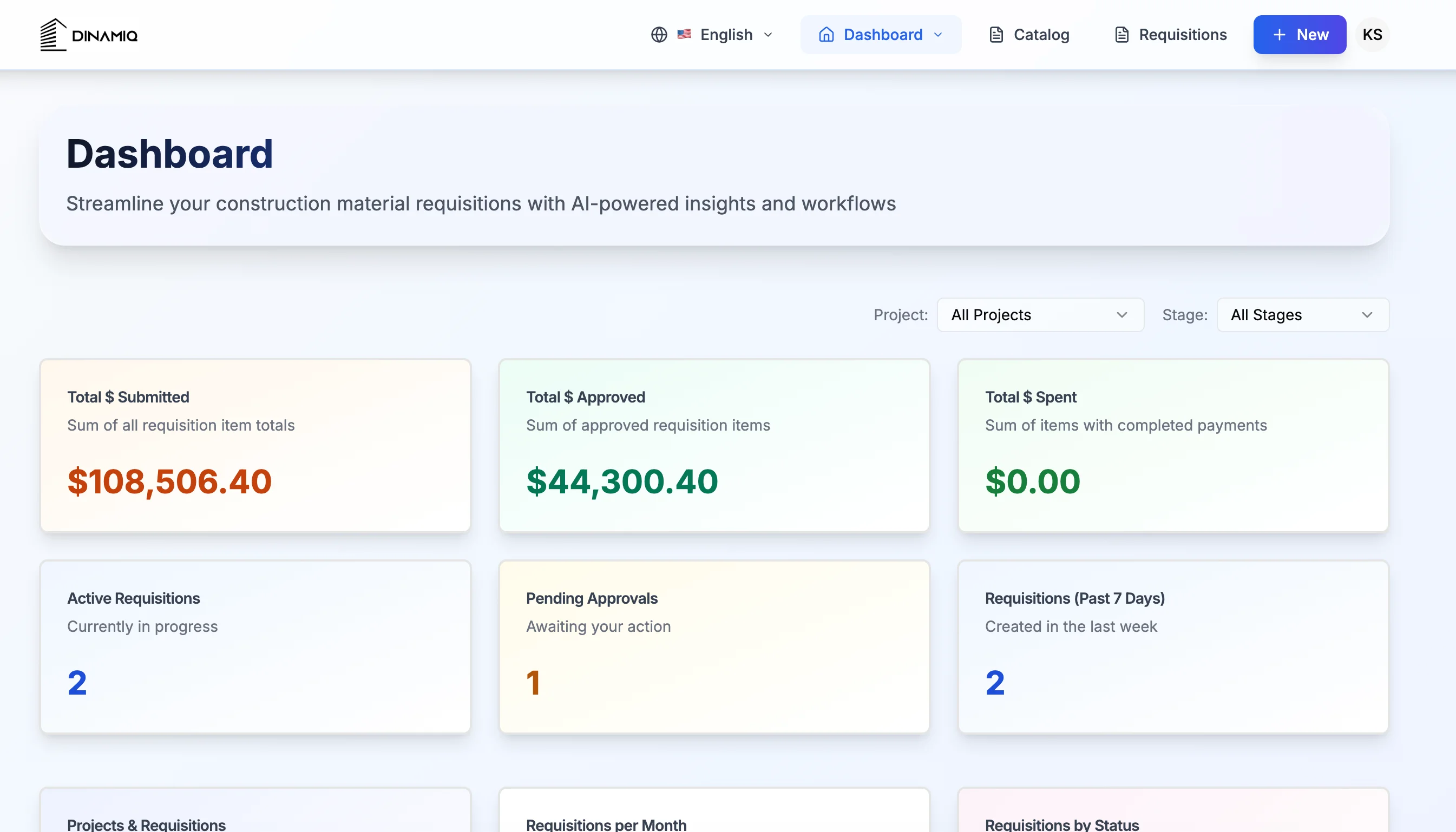
Dinamiq Procurement
Digital procurement ERP platform
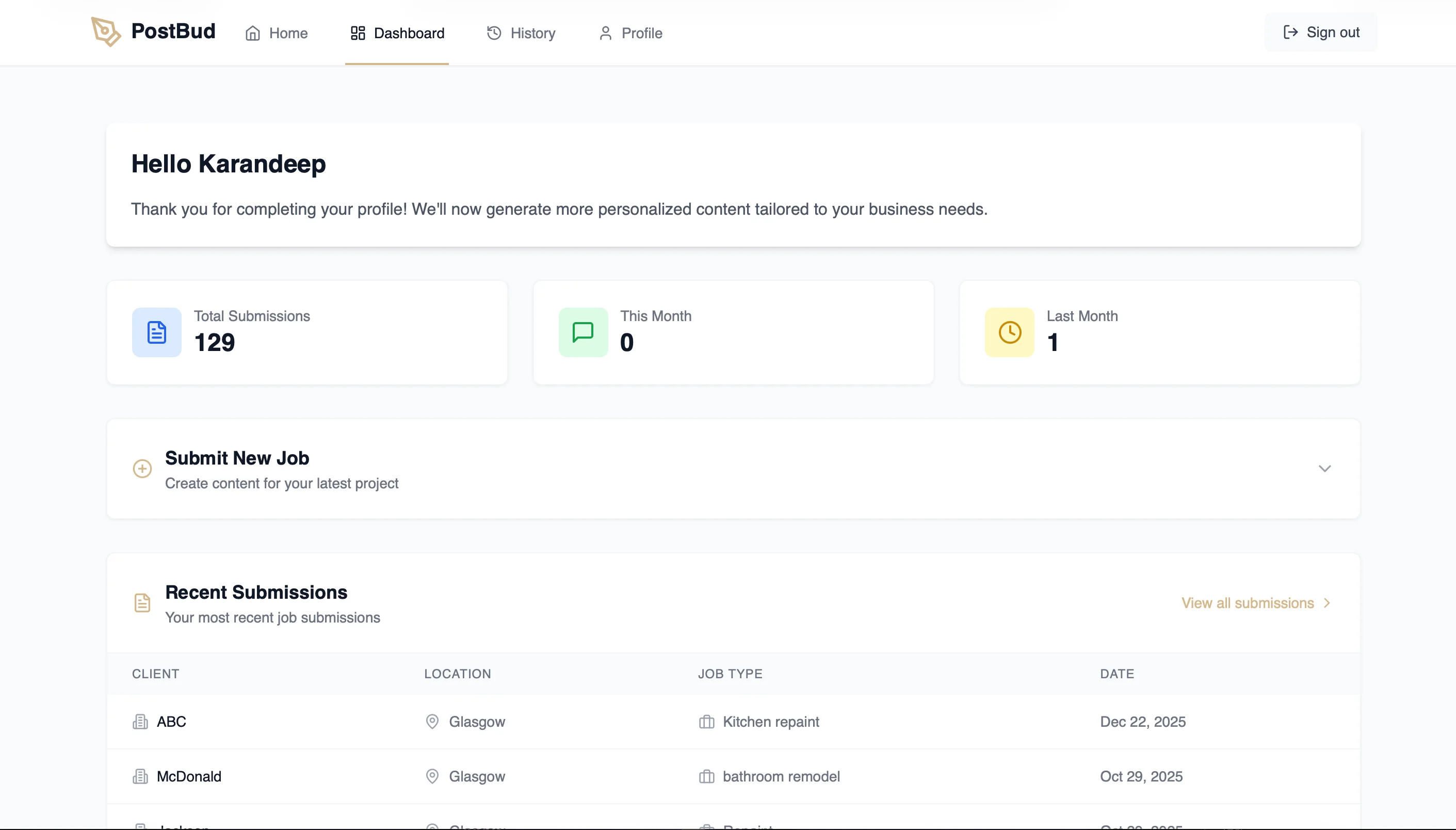
Social Media Platform
Automated content publishing
Key Takeaways
Quick wins and actionable insights from this guide:
- Time savings are only 30-50% of true automation ROI—error reduction, speed premium, and scalability multiply the value
- Every business in our portfolio achieved positive ROI within 3-8 months of deployment
- The speed premium (responding faster = winning more deals) is the most undervalued ROI layer
- Scalability value can be 20-30x the automation investment when you grow without hiring
- Use the 4-layer framework: time savings + error costs + speed premium + scalability value
- If your payback period calculation shows under 12 months, stop analyzing and start building
AI 101 Services Team
Business Automation Specialists
AI 101 Services helps service businesses implement AI automation solutions that deliver measurable ROI. With 21+ solutions delivered and 15+ clients served, we specialize in turning manual chaos into streamlined digital workflows.