"Should we get a chatbot or a voice agent?" is the wrong first question.
The right question: Where do your highest-intent customers try to reach you—and how many of those attempts fail today?
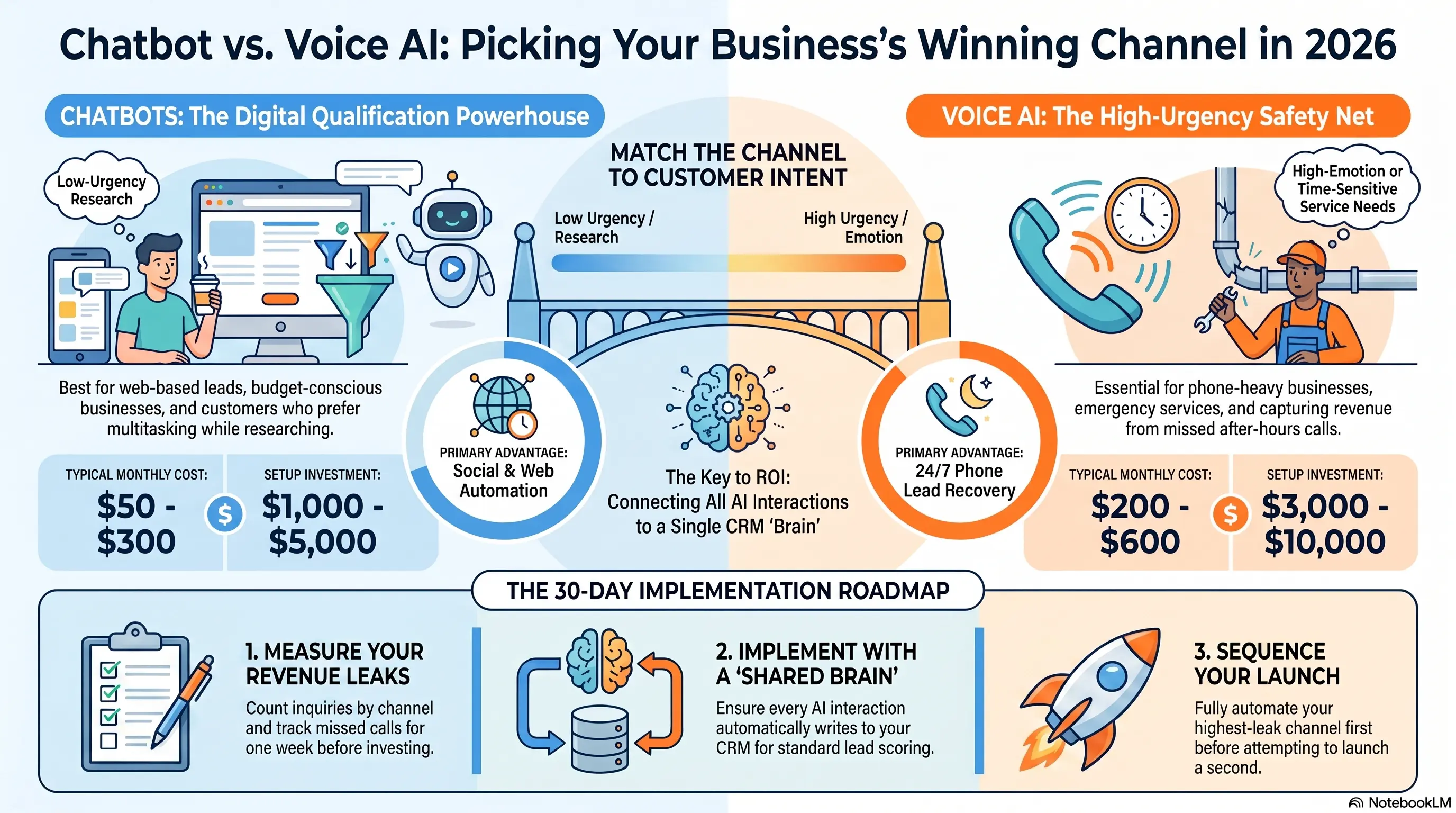
Website visitors who are researching may prefer chat. Homeowners with a burst pipe want a phone answered now. Gyms get Instagram DMs. Dentists get after-hours calls. The winning channel matches behavior, not hype.
This comparison breaks down chatbot vs voice AI for service businesses—costs, conversion patterns, and when the answer is both.
💬 What Chatbots Do Best
Chatbots excel when the customer is already on a screen and can wait a few seconds to type.
Best Fit Use Cases:
- •Website lead qualification (budget, timeline, service type)
- •FAQ deflection (hours, pricing ranges, service areas)
- •Appointment booking for users who prefer not to call
- •After-hours web capture when the phone isn't the habit
- •Social DM automation (especially Instagram/Facebook)
Strengths:
- •Lower cost than voice for high message volume
- •Easy to share links, forms, and pricing sheets
- •Transcript-native—great for CRM logging
- •Customers can multitask while chatting
Weaknesses:
- •Typing friction for urgent issues
- •Older demographics often abandon chat
- •Can't help someone who only has your phone number on a van magnet
Gym Parallel: AI lead qualification for fitness works brilliantly in chat—trial signups are form-native. Phone is secondary.
Warning Sign: If 70%+ of your leads still originate by phone, a website-only chatbot won't fix your biggest leak.
📞 What Voice AI Does Best
Voice AI wins when urgency is high or the customer expects a conversation.
Best Fit Use Cases:
- •After-hours phone answering and booking
- •Appointment reminders and confirmations by call
- •Missed-call recovery within minutes
- •Emergency triage for trades and healthcare
- •High-emotion situations where talking beats typing
Strengths:
- •Matches how customers already contact service businesses
- •Faster for complex qualification in one call
- •Higher trust for older or less digital customers
- •Captures leads that never visit your website
Weaknesses:
- •Higher cost per interaction than chat
- •Needs careful scripting and escalation design
- •Accent/audio edge cases require monitoring
- •Overkill for simple FAQ traffic
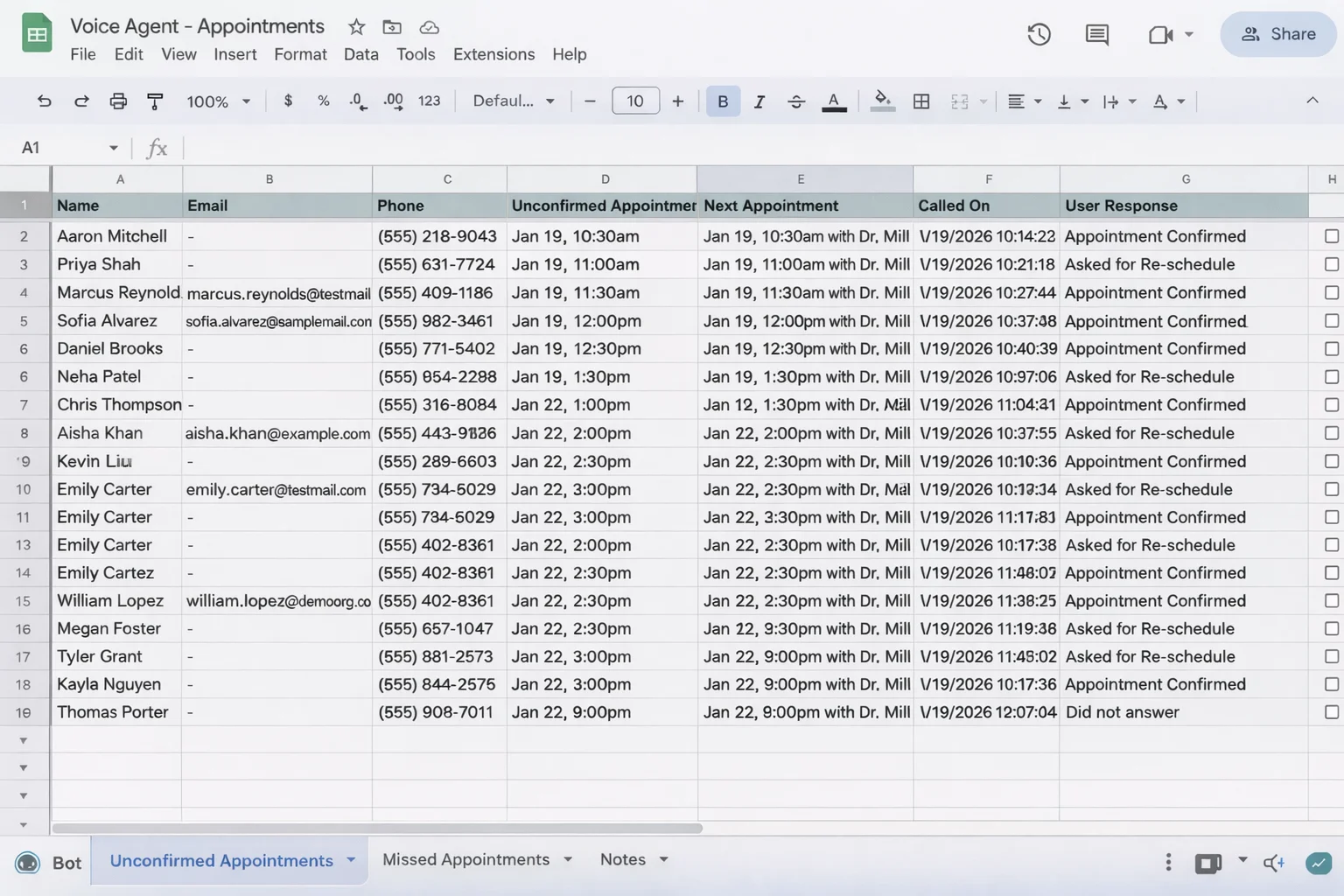
Dr. Miller Parallel: Healthcare appointment management by phone is a natural voice fit—patients already call clinics.
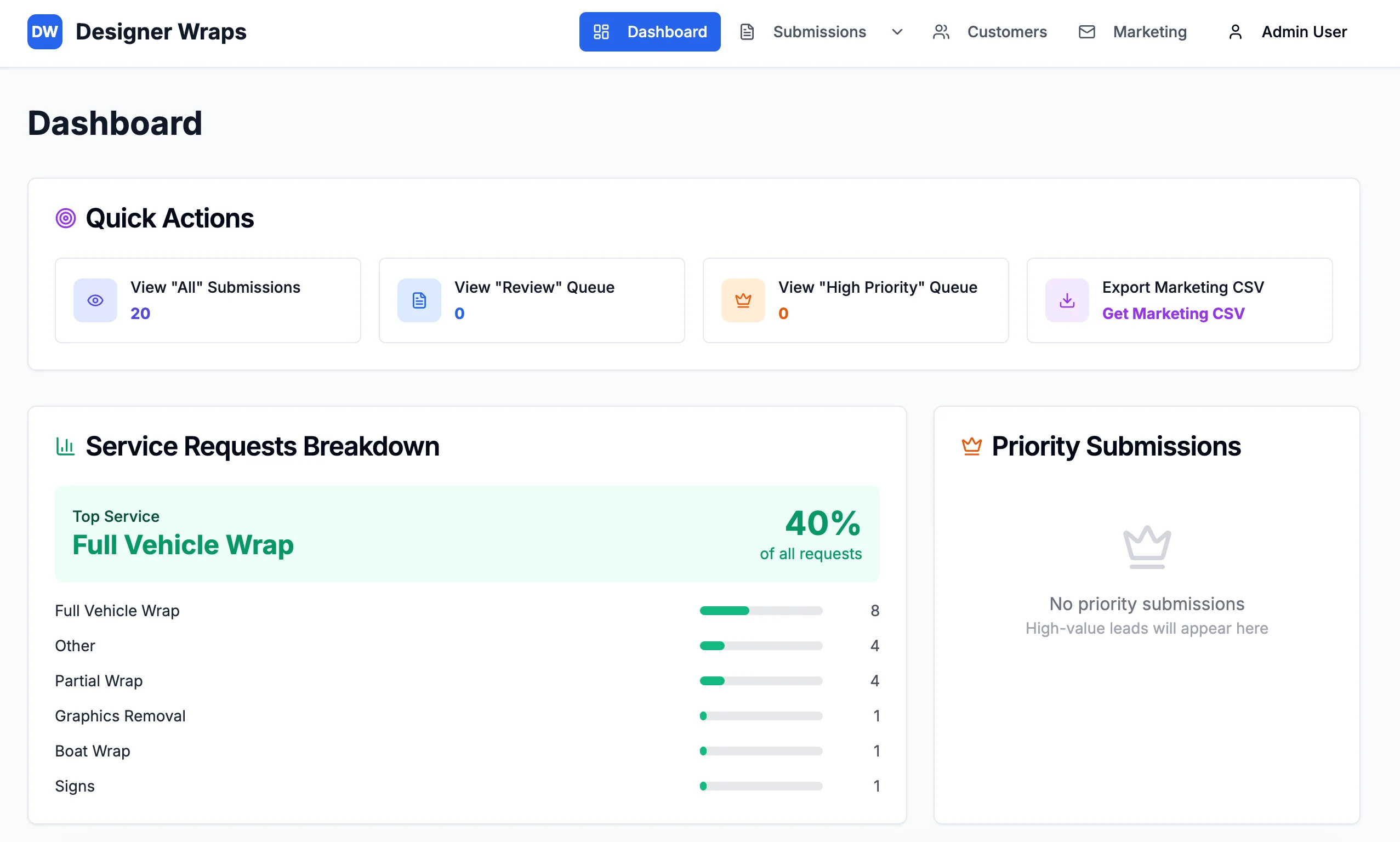
Designer Wraps Parallel: Speed-to-lead matters; voice or chat both work if they write to the same CRM instantly.
⚖️ Side-by-Side Decision Framework
Choose Chatbot First If:
- •Most inquiries start on website or social
- •You sell considered services (projects, memberships, quotes)
- •Budget is under $300/month to start
- •Your team is comfortable iterating on chat flows weekly
Choose Voice AI First If:
- •Phone is still your primary lead channel
- •After-hours missed calls are a known revenue leak
- •Appointments are time-sensitive (healthcare, emergency trades)
- •Customers skew older or less likely to type on a site
Choose Both If:
- •You have meaningful volume on web AND phone
- •You want one CRM brain with two capture channels
- •You're scaling past 50+ inquiries/week across channels
Cost Snapshot (Typical SME):
- •Chatbot platform: $50-300/month + setup $1,000-5,000
- •Voice AI: $200-600/month + setup $3,000-10,000
Conversion Reality: Urgent phone leads convert higher when answered by voice. Web research leads convert well with chat qualification plus fast human follow-up.
Warning Sign: Don't buy voice because it's impressive if your missed-call volume is tiny and your website form is broken—fix the form first.
🔗 The Real Winner: Shared CRM Brain
Channel wars miss the point. Integration wins.
Regardless of Chat or Voice:
- •Every conversation creates/updates a CRM contact
- •Lead score and source are standardized
- •Hot leads alert a human on SMS
- •Bookings write to the same calendar
Orchestration Layer: Tools like n8n, Zapier, or Make connect chatbot, voice, email, and CRM into one flow—so your team isn't checking three inboxes.
PostBud Parallel: Multi-channel social only worked because operations were centralized. AI channels need the same discipline.
The Result? Businesses with one lead pipeline across chat + voice respond faster and attribute ROI clearly—instead of arguing which tool "works."
🚀 30-Day Channel Choice Plan
Week 1: Measure Reality - Count inquiries by channel (phone, web form, chat, social, walk-in) - Count missed calls and after-hours volume - Note average response time per channel
Week 2: Pick Primary Channel - Automate the highest-leak channel first (usually phone after-hours OR web qualification) - Define success metric (bookings, qualified leads, no-show rate)
Week 3: Implement & Integrate - Launch MVP on one channel - Force CRM write-back from day one - Review every conversation for a week
Week 4: Decide on Channel Two - Only add the second channel if channel one is stable and ROI is clear - Reuse qualification questions and scoring rules
The Result? Most service businesses should sequence channels—not launch both half-built in the same week.
💡 See These Strategies in Action
Real businesses, real results. Explore how companies implemented these concepts:
Key Takeaways
Quick wins and actionable insights from this guide:
- Chatbots win for web/social qualification; voice AI wins for phone-first and urgent after-hours demand
- Pick the channel where your highest-intent customers already try to reach you
- Voice typically costs more per interaction but recovers phone leads chatbots never see
- Many growing businesses eventually need both—with one shared CRM brain
- Measure missed calls and channel mix for one week before buying anything
- Automate one channel well before adding a second
AI 101 Services Team
Voice AI Specialists
AI 101 Services helps service businesses implement AI automation solutions that deliver measurable ROI. With 21+ solutions delivered and 15+ clients served, we specialize in turning manual chaos into streamlined digital workflows.